Field Archive / Preservation View
About the archiveWhy These Traces Matter
Buildings outlive the businesses, timetables and institutions that made them. When they fall silent, their surfaces are often the last witnesses to working lives that never reached the history books.
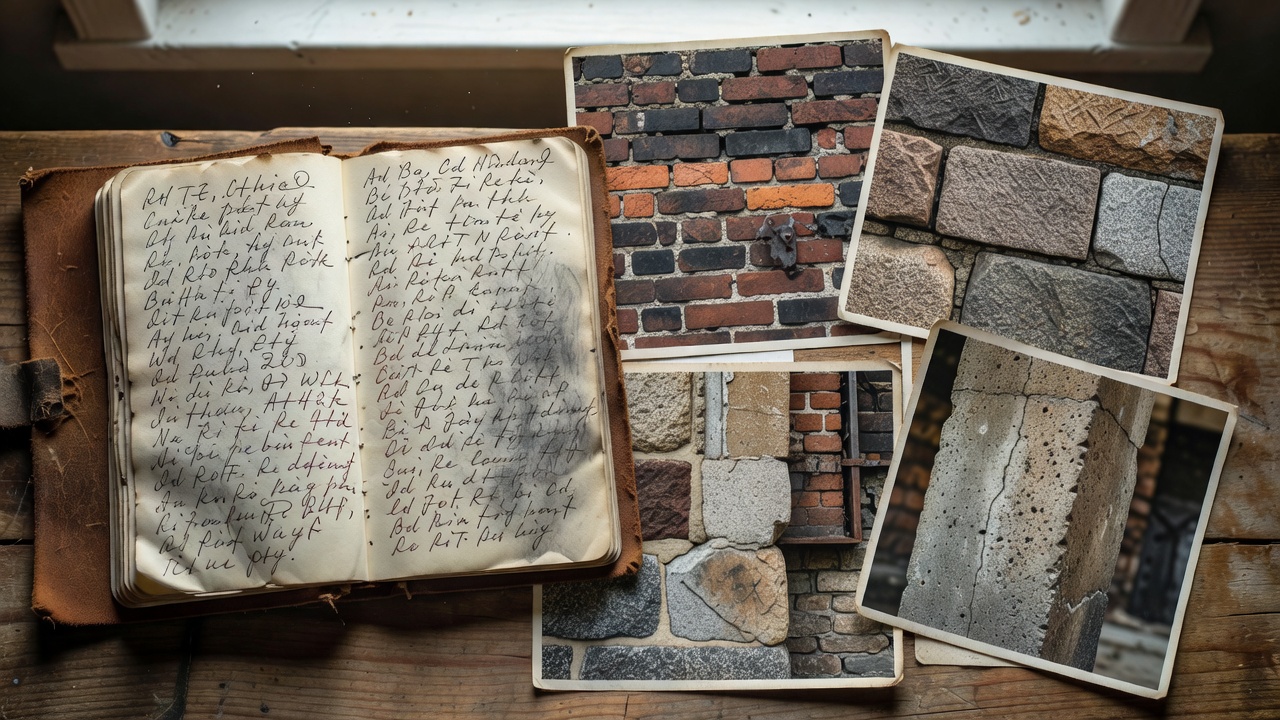
What we do
Plunzsnapshototter is an independent field archive. We publish guides to reading industrial sites, railway stations and deserted interiors, and we profile places that can be visited or viewed lawfully. Our interest is material evidence and former purpose, not spectacle.
We do not publish entry routes, security weaknesses or coordinates for vulnerable sites, and we decline submissions that appear to have been made through trespass.
Editorial standards
- Dates, names and figures are checked against published or archival sources.
- Inference and local tradition are labelled as such.
- Photographs are captioned with what they show, not what we wish they showed.
- Corrections are welcomed and made promptly via our enquiry page.
Contributors
A small group of photographers and researchers who work with owners and heritage bodies.

Ines Varga
Records mills and warehouses for owners preparing conservation plans.

Tom Ashcroft
Works through trade directories, maps and company records to date sites.

Leila Okafor
Volunteers with heritage railways and writes on station architecture.